Blog / Landlord guides
Owner Move In Evictions in California After SB 567
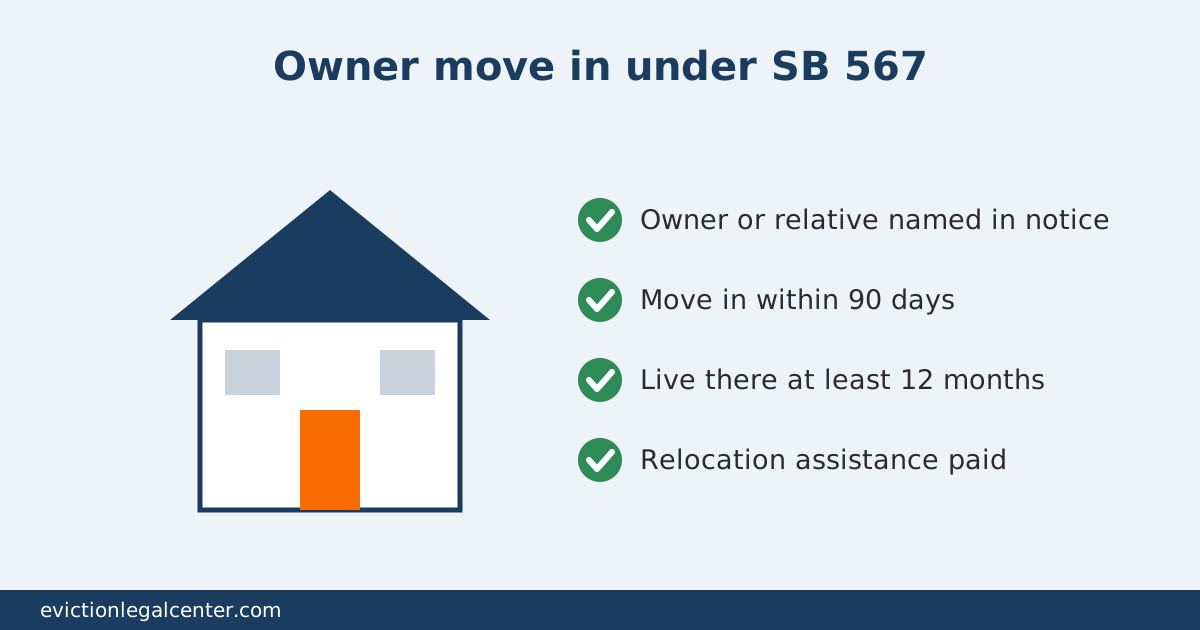
- Under the Tenant Protection Act, an owner or a qualifying relative may end a tenancy to move in, but SB 567 (in effect since April 1, 2024) tightened the rules.
- The notice must name the person moving in and their relationship to the owner.
- The owner or relative must move in within 90 days and live there as a primary residence for at least 12 continuous months.
- Relocation assistance equal to one month's rent is required, and violations can be costly.
Wanting to move into your own property, or to give it to your child or parent, is one of the most common reasons owners end a tenancy. It is allowed in California, but it is a "no fault" termination with strict rules. A mistake can mean starting over, paying damages, or both.
Who can move in
Under Civil Code 1946.2, the owner, or the owner's spouse, domestic partner, children, grandchildren, parents or grandparents, can be the person moving in. SB 567 made clear that the move must be in good faith, as the person's primary residence.
What the notice must say
- That the tenancy is being terminated for owner or relative occupancy.
- The name of each intended occupant and their relationship to the owner.
- The correct notice period: 30 days if the tenant has been there less than a year, 60 days if a year or more (90 days for many subsidized tenancies), or longer if a local ordinance requires it.
- Information about the relocation assistance owed (one month's rent, paid within 15 days of the notice, or a waiver of the final month's rent).
After the tenant leaves
The intended occupant must move in within 90 days after the tenant vacates and live there for at least 12 continuous months. If that does not happen, the owner generally must offer the unit back to the former tenant at the same rent and lease terms and cover reasonable moving expenses, and the tenant can sue for damages. Willful violations can lead to up to three times the actual damages, punitive damages and attorney fees, and public prosecutors can also enforce the law.
Lease agreements and local rules
Some leases allow owner move in only if the lease says so. Many cities add more: the City of Los Angeles requires filings and higher relocation payments in some cases, rent stabilized cities such as Santa Ana, Pasadena and Santa Monica have their own conditions, and some protect older, disabled or long term tenants. Check your city's page and talk to us before serving notice.
Is my property even covered?
Many single family homes and condos owned by individuals are exempt from the Tenant Protection Act's just cause rules, but only if the lease gave the tenant the exact written exemption notice. If the notice was not given, the property is covered and these rules apply.
A practical checklist
- Confirm coverage under state and local law.
- Confirm who will move in and that they will truly live there for at least 12 months.
- Prepare the notice with names, relationships and the correct notice period.
- Pay relocation assistance on time, and keep proof.
- Keep evidence of the move in: utility accounts, driver's license address, voter registration, mail.
Related: California eviction law overview | Free consultation
This article is general information about California law as of its date, not legal advice for your situation. Laws and local ordinances change, and court decisions can be reviewed or reversed. Reading it does not create an attorney client relationship.