Blog / Landlord guides
Holdover Tenants in California: Lease Ended, Tenant Stayed
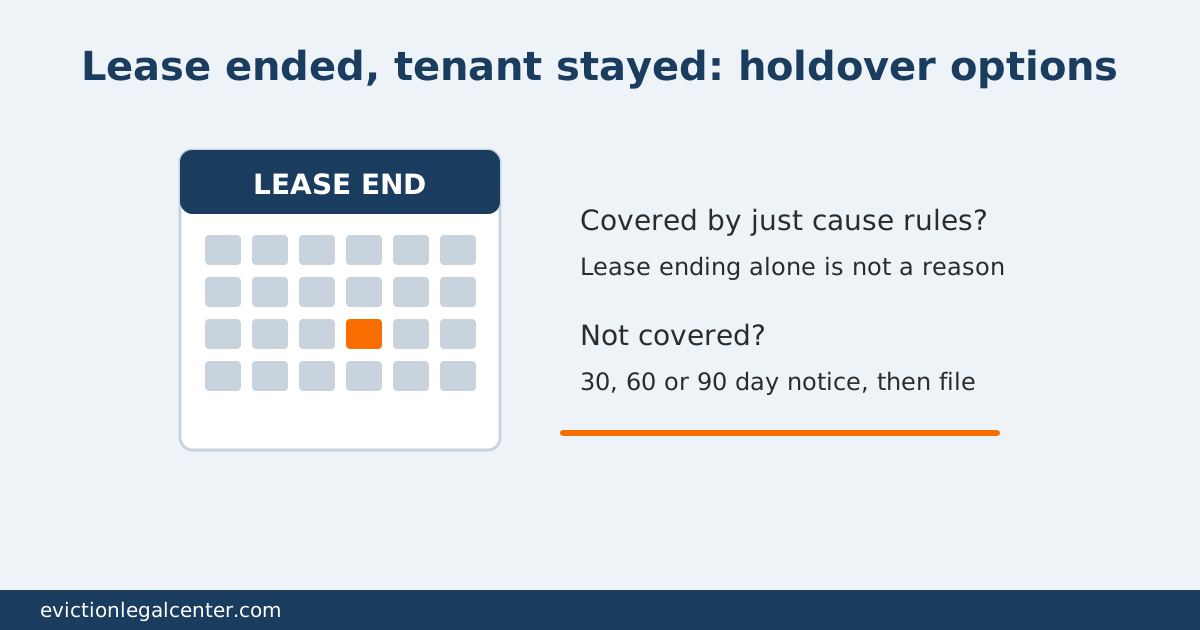
- If your rental is covered by the Tenant Protection Act or a local just cause law, the end of a lease is not, by itself, a reason to evict.
- If the rental is exempt, you can end the tenancy with the proper 30, 60 or 90 day notice.
- If you accept rent after the lease ends, the tenancy usually continues month to month on the same terms.
- A tenant who gave you notice and then refuses to leave can be evicted without a new notice.
The lease ended last month, and the tenant is still there. Can you simply ask them to leave? In California the answer depends on whether the property is covered by just cause protections, and on what you have done since the lease expired.
First question: is the property covered by just cause rules?
The statewide Tenant Protection Act covers most rentals older than 15 years once the tenant has been there 12 months. Single family homes and condos owned by individuals can be exempt, but only if the tenant received the required written exemption notice. Cities such as Los Angeles, Santa Ana, Pasadena and Santa Monica have their own just cause rules that can be stricter.
If the property is covered, the expiration of the lease is not a just cause. You need an at fault reason (for example nonpayment or a lease violation) or a no fault reason (owner move in, withdrawal from the market, substantial remodel, a government order), with relocation assistance for no fault terminations. Tenants who refuse to sign a new lease on similar terms can be a just cause in some circumstances, so the details matter.
If the property is exempt, you can end the tenancy with written notice: 30 days if the tenant has been there less than a year, 60 days if a year or more, and 90 days for many subsidized tenancies. If the tenant does not leave when the notice expires, you can file an unlawful detainer.
Accepting rent after the lease ends
If you keep accepting rent after a fixed term lease expires, California law generally treats the tenancy as renewed month to month on the same terms. Accepting rent for a period after a termination notice expires can also undermine that notice. Talk to us before accepting payments if you plan to end the tenancy.
When the tenant gave notice and then stayed
If the tenant gave you written notice that they would move out and then did not, you may be able to file an eviction without serving your own notice, and seek holdover damages. In cases of malicious holdover, the court can award additional statutory damages.
Practical steps
- Find the lease and check its renewal clause and any exemption notice.
- Confirm local rules for your city.
- Decide before accepting the next rent payment whether you want the tenancy to continue.
- Serve the right notice for your situation, or negotiate a move out date (see cash for keys).
Related: Owner move in rules | Talk to an eviction attorney
This article is general information about California law as of its date, not legal advice for your situation. Laws and local ordinances change, and court decisions can be reviewed or reversed. Reading it does not create an attorney client relationship.